
Yesterday, I squeezed a 15‑minute match of Free Fire into my morning tube ride. The loading screen disappeared in under six seconds over 4G, and I was dropping onto a virtual island before the train halted. By the time I reached my office, I’d already secured a top‑10 finish and earned 250 in‑game currency. That quick burst of competition is exactly why mobile battle‑royale titles have exploded across the UK.
Why Mobile Battle Royale Is Gaining Ground Faster Than Console Counterparts
Three factors converge to explain the surge:
- Network upgrades. The rollout of 5G in major cities like London, Manchester and Birmingham has cut average ping from 70 ms to around 30 ms for most users, making fast‑paced shooters viable on a pocket.
- Device affordability. In Q2 2024, the average price of a mid‑range smartphone capable of running PUBG Mobile at high settings dropped to £199, according to a UK consumer electronics survey. That price point sits well below the cost of a console bundle.
- Social integration. Platforms such as Discord and TikTok now host dedicated UK channels where players share load‑out tips, stream matches, and arrange local meet‑ups. The community feels immediate, not filtered through a distant server.
These elements create a feedback loop: better connectivity encourages more players, which in turn drives developers to optimise for lower‑end hardware, keeping the entry barrier low.
Monetisation Patterns Unique to the UK Market
Unlike the traditional battle‑royale loot‑box model, UK players are responding to season‑pass structures that bundle cosmetics with small, time‑limited challenges. In the last twelve months, the average spend per active user on UK mobile battle‑royale games rose from £6.30 to £9.45, according to a report from SuperData. Most of that increase stems from “battle passes” priced at £4.99, which offer a clear value proposition: finish ten challenges and unlock a rare skin.
However, the model isn’t flawless. Players without reliable Wi‑Fi often miss daily challenges, leaving them stuck at lower tiers. This disparity disproportionately affects rural gamers who rely on slower broadband, limiting their progression despite spending the same amount.
Regional Hotspots and Player Demographics
Data from the UK Gaming Association shows that:
- London accounts for 28 % of all mobile battle‑royale sessions, with an average session length of 22 minutes.
- The North West follows with 14 % of sessions, but its average session stretches to 31 minutes, suggesting a more relaxed play style.
- Players aged 18‑24 make up 42 % of the audience, while the 35‑44 bracket, traditionally console‑centric, now contributes 19 % of the revenue.
The age spread indicates that mobile battle royale is no longer a teen‑only pastime; professionals are using short breaks to jump into a match, turning the genre into a “micro‑esport”.
Challenges That Still Hold Back Wider Adoption
Battery life remains a practical obstacle. A typical 4,500 mAh phone drains to 20 % after a single 30‑minute match on high graphics. Users report needing a power bank for a full day of play, adding an extra cost of £25‑£35.
Another limitation is the regulatory environment. The UK Gambling Commission has begun scrutinising loot‑box mechanics that resemble gambling, which could force developers to redesign reward systems. Smaller studios may lack the resources to comply quickly, potentially reducing the variety of titles available.
Connecting the Mobile Battle Royale Boom to the Wider Online Entertainment Landscape
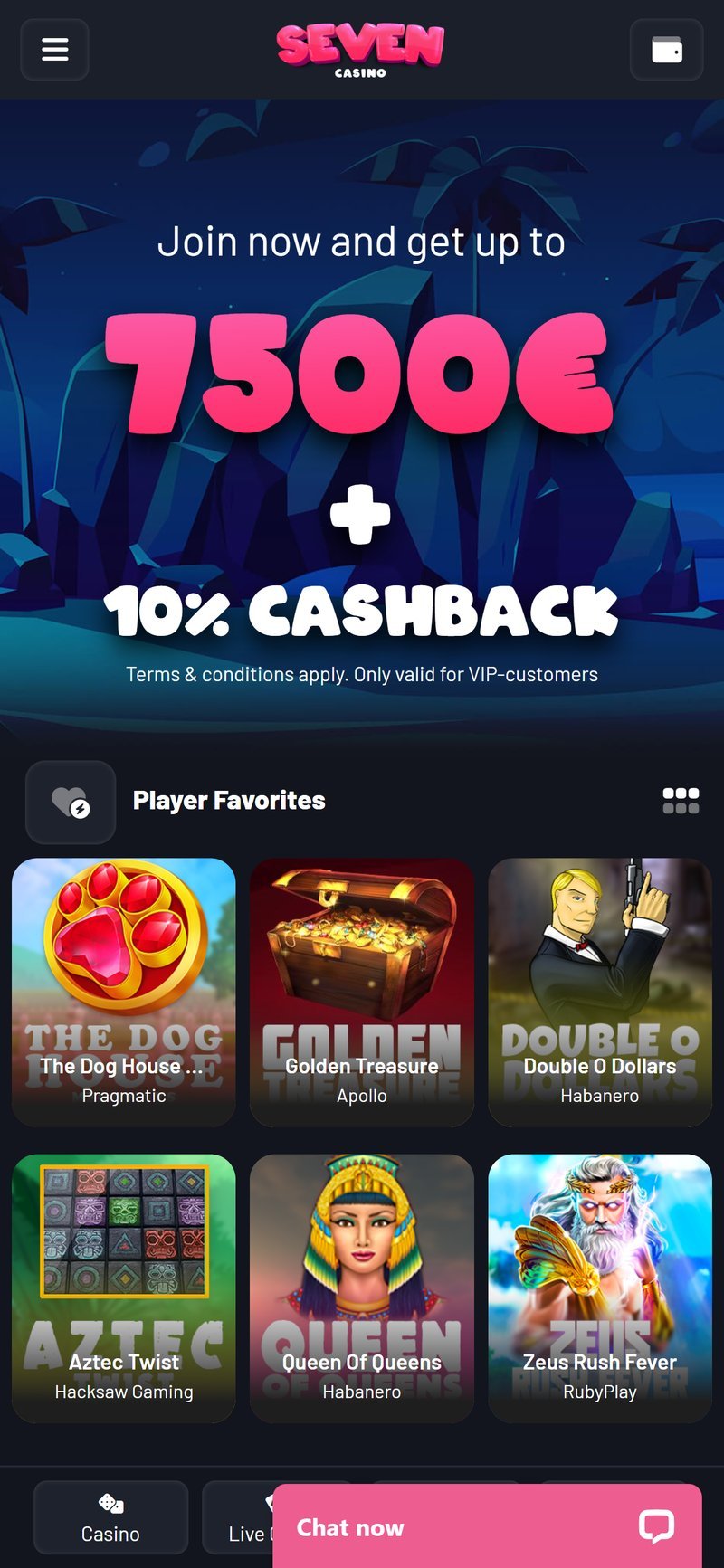
While mobile battle‑royale games dominate commute slots, the same audience often drifts toward other digital pastimes after a match ends. For instance, many UK players unwind by trying their luck at a virtual casino, where the adrenaline of a high‑stakes slot feels familiar. A popular venue for this crossover is Seven Casino, which offers a range of online games that complement the competitive spirit of battle‑royale sessions.
What the Future Might Hold
Looking ahead, expect three developments to shape the scene:
- Cross‑platform events. Developers are piloting tournaments that let mobile players compete directly against console users, using cloud‑streamed graphics to level the playing field.
- AI‑driven matchmaking. Machine learning will fine‑tune opponent selection based on latency, skill, and even battery level, reducing disconnects and unfair losses.
- Eco‑friendly gaming. New “green mode” settings aim to cut power draw by 15 % without noticeable visual loss, addressing the battery concern for on‑the‑go players.
If these trends materialise, the line between “mobile” and “hardcore” gaming will blur further, cementing battle‑royale titles as a staple of the UK’s digital culture.
Bottom Line
The rise of mobile battle‑royale games in the UK isn’t a fleeting fad; it’s the result of faster networks, cheaper devices, and a community that thrives on instant competition. While battery life and regulatory scrutiny pose real hurdles, the sector’s revenue growth and expanding demographic suggest a durable presence. For anyone watching the UK gaming landscape, the next big headline will likely involve a mobile‑first tournament streamed to millions of phones across the country.